
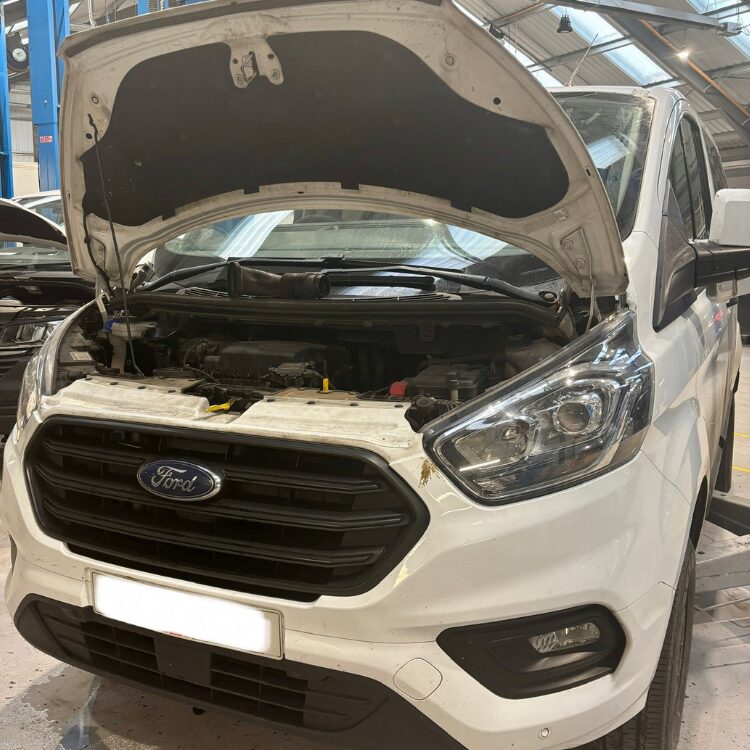
Ford EcoBoost wet belt replacement specialists
Have you fallen foul of the Ford Wet Belt? You are not alone.
Castle Vehicle Servicing are specialists in the replacement of wet belts on the 1.0 EcoBoost Ford Engines. Our expert team efficiently and professionally replace a number of these each month for local businesses and retail customers alike. What is the deal with this vital engine component and why are so many owners finding themselves reverting to garages when they fail?
What is a wet belt?
Wet belts, also known as “wet cambelts,” are an integral component found in modern vehicle engines. They are responsible for synchronising the top and bottom of the engine (the camshaft and crankshaft. Unlike other vehicles with a traditional cambelt (timing belt) which runs on the outside of the engine, the wet belt of the Ford 1.0 litre EcoBoost engine operates within the engine oil.
Why are wet belts so problematic?
This can be problematic for numerous reasons. Due to the exposure to engine oil, heat, and other environmental factors, wet belts are more prone to quicker wear than a regular cambelt. This degradation can weaken the belt’s integrity and lead to potential failure which can pose a serious risk to the engine’s performance and longevity. A failed wet belt can result in catastrophic engine damage leading to more costly repairs or even the need for engine replacement.
These engines also require more regular oil replacement. As the wet belt is made of rubber as it corrodes or wears, parts of it go directly into the oil itself which can clog up the filters or get stuck in other engine components. Therefore, regular inspection and timely replacement of wet belts are crucial preventive measures to safeguard the engine’s health and reliability.
A well-documented issue
The problems associated the Ford EcoBoost engines have been well documented over the years. The 1.0 EcoBoost engine was first introduced to the UK market in 2012. Designed to help reduce emissions and improve fuel economy, this powerful 1.0 litre engine was fitted to several Ford models including the Ford Fiesta, Ford Focus, Ford Transit Connect Van and the Ford B-Max. And yet, even fully serviced vehicles with this engine have been failing much sooner than ordinarily expected.
BBC consumer watchdog on the One Show have been following the litany of issues brought to them by owners and reached out to the brand on a number of occasions for answers highlighting that in
Customers had reported sudden loss of power in their vehicles and upon inspection it was revealed that the wet belt ‘had broken up, blocking the oil system.’
How often should I replace my Ford wet belt?
According to the recommendations from the manufacturer, these belts should be replaced every 10 years or 150,000 miles. Ford have since issued the advice that this should be done sooner at 100,000 miles. However, we are finding that in our workshop the trend is showing earlier degradation is more realistically around 70,000 miles. If your vehicle dates back to 2012 or if you cover a lot of miles, a replacement wet belt could be due and we would strongly advise this.
Other brands that are affected
It is not just down to Ford that people are suffering at the hand of the wet belt. Other brands include Peugoet, Citroen, and most recently Honda.
Ford Transit Welt Belt replacement
The welt belt system is also deploed in Ford Transit vans. It is Primarily found in 1.5 litre and 2.0 litre Ecoblue diesel transit and transit custom models manufactured after 2016. Minimise downtime by using high-quality specified oil to help prolong the belt’s lifespan and incorporate regular inspections into your fleet maintenance schedule.

How difficult is it to replace my wet belt?
Down to the very design of the wet belt and where it is located, it is unfortunately a big job for our mechanics. It involves stripping the top, side, and bottom of the engine to gain access and specific tools have to be used in its replacement.
It is also important to know that varying engine models may have different considerations and requirements when performing a wet belt replacement. For some models, additional components such as the oil sump, oil pump drive belt, water pump O ring, crank seal, crank pulley bolt, and thrust washer may need to be inspected and potentially replaced.
Others may require attention to components like the timing belt cover seal, crankshaft seal, and crankshaft pulley bolt. Therefore, it is vital that you refer to a reliable garage with well- trained technicians who are versed in these types of repair work.
How much will it cost me?
Faced with the alternatives wet belt replacement is highly recommended. Should your engine fail and need replacement this would set you back thousands of pounds. Wet belt replacement takes our technicians around 8 hours of work. Depending on the model of vehicle and the use of aftermarket or OEM parts, the estimated cost will start at around the £900 mark. This is still fractional when compared to the price of a new engine.
Make the most of our limited time offer
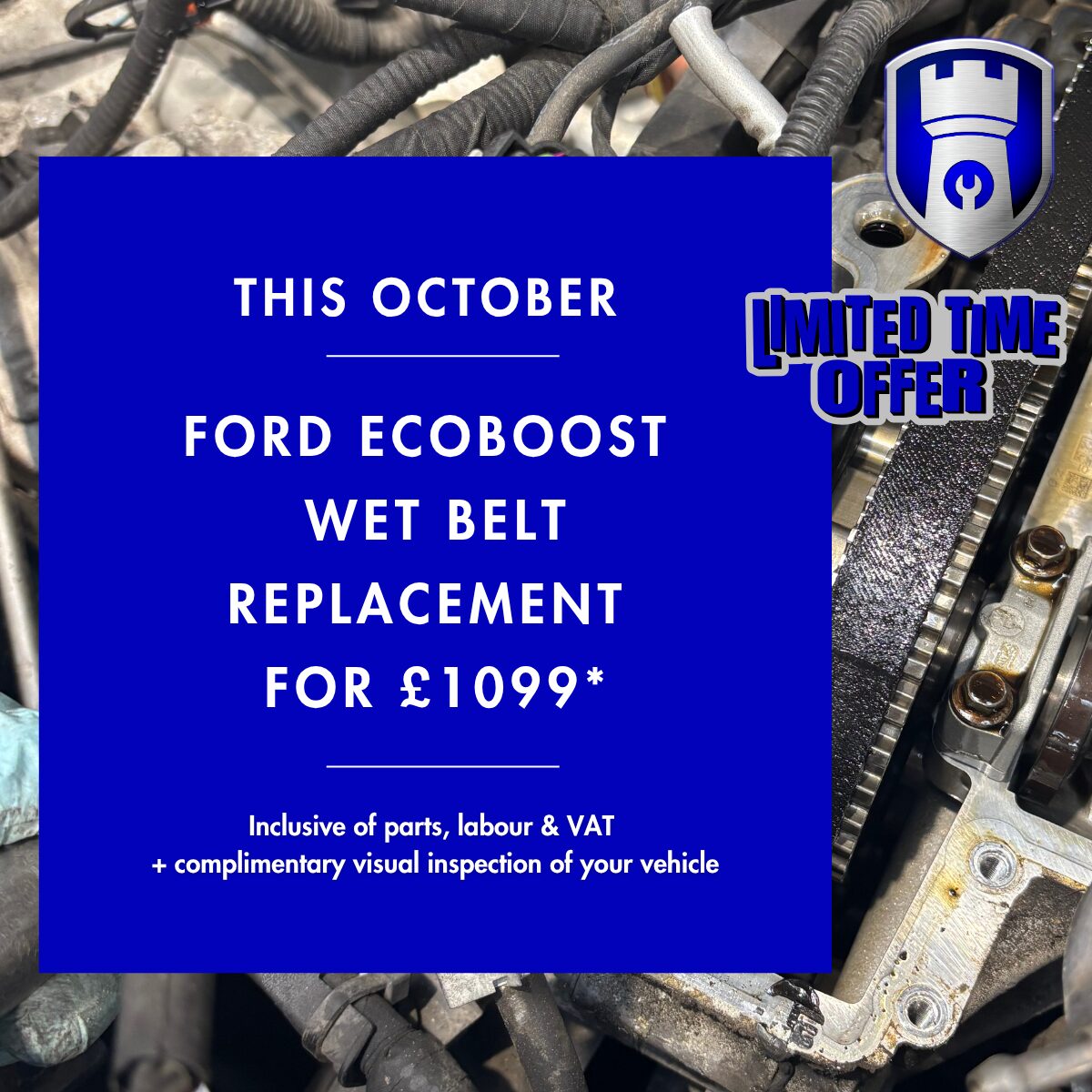
Get a FORD ECOBOOST WET BELT REPLACEMENT FOR £1099* until the end of October 2025. Price Inclusive of parts, labour, VAT and also includes complimentary visual inspection of your vehicle.
(*Please note this price is based on the use of aftermarket parts and on Ford EcoBoost Engines. Please ask a service advisor for a price for OEM or other brands.
Join our Newsletter for 10% off your first service at CVS!
Subscribe to the newsletter to receive our latest news, expert advice and unique offers throughout the year.
"*" indicates required fields