


Cold Weather Car Battery Problems This January
With January cold snaps and freezing temperatures across Northamptonshire this week and over the coming days, many drivers are discovering their cars won’t start when they need them most. More often than not the battery is to blame!
The single biggest cause of vehicle breakdowns in cold weather is battery failure. According to The AA, nearly 4 out of 10 UK breakdowns are caused by flat or failing batteries, making it the most common reason vehicles break down, a problem that is exacerbated in cold conditions. If your vehicle is struggling to start on cold mornings or your battery is more than a few years old, now is the time to act.
At Castle Vehicle Servicing, we provide fast, professional car battery testing and replacement at our independent garage in the Kings Heath Industrial estate, helping you avoid being stranded in the cold. Whether your car won’t start during freezing conditions or you’ve been warned your battery is failing, our local technicians are here to help find out more.
Why Cold Weather Is So Hard on Car Batteries?
Cold temperatures have a dramatic impact on how well a car battery can deliver power. A battery works by creating a chemical reaction, and when temperatures drop, that reaction slows down significantly. In freezing conditions, a battery can lose around 35–50% of its effective power, even if it was working perfectly well during warmer months.
At the same time, your engine actually needs more power to start in winter. Cold oil becomes thicker, internal engine components move less freely, and the starter motor has to work harder to turn the engine over. This puts extra strain on a battery that is already weakened by the cold.
Winter driving also places a much higher electrical demand on your vehicle. Heaters, heated rear screens, heated seats, headlights, windscreen wipers, demisters, and infotainment systems are all used more frequently and for longer periods. Short winter journeys make the problem worse, as the battery often does not get enough time to fully recharge between trips.
This combination, reduced battery output, increased engine demand, and higher electrical load, is why battery failure is the leading cause of vehicle breakdowns during cold weather. Many batteries that appear perfectly fine in summer are already weakened, and the first hard frost is often enough to push them past their limit.
How Often Do You Need a New Car Battery?
On average, a car battery will last between 3 and 6 years, but this can vary significantly depending on how the vehicle is used and the demands placed on the electrical system.
- Short journeys can significantly shorten battery life. Each time you start your car, the battery uses a large amount of power. If most of your trips are only a few minutes long, the alternator often doesn’t have enough time to fully recharge the battery. Over time, this leads to a gradual loss of capacity, especially in colder weather when charging efficiency is reduced.
- Vehicles with lots of electrical features also place greater strain on the battery. Modern cars are commonly equipped with a large number of features that rely on the battery. Think stop-start systems, infotainment screens, digital dashboards, heated seats, heated steering wheels, advanced safety systems, and phone charging ports. These all draw power even when the engine isn’t running, meaning the battery is working harder every day and may not last as long as one in an older, simpler vehicle.
Due to these factors, a battery that is over 3 years old should be tested regularly, even if the car still starts normally. Testing is all the more important before winter, when cold temperatures can quickly expose a weak or failing battery and lead to unexpected breakdowns.
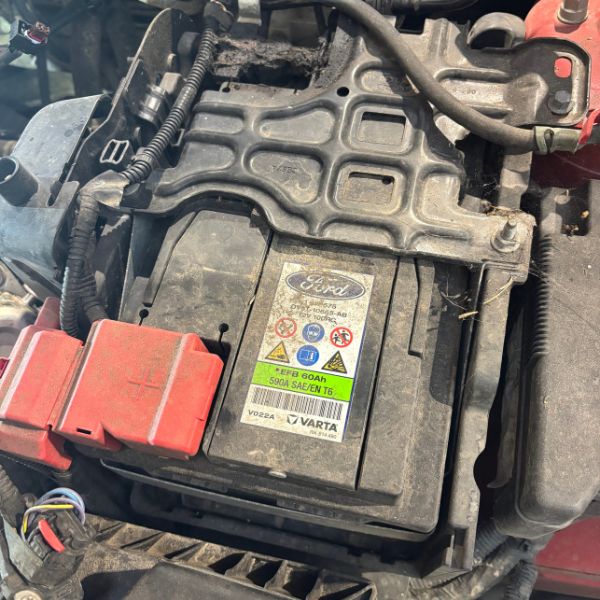
Car Batteries: A Leading Cause of Breakdowns
Industry breakdown data consistently shows that battery‑related issues are the number one cause of callouts in winter. Common problems include:
- Flat or discharged batteries
- Batteries that no longer hold charge
- Cold‑related internal battery failure
Our advice? Replacing a weak battery early is far cheaper and safer than recovering a broken‑down vehicle!
Signs Your Car Battery May Need Replacing

- Slow engine cranking
- Warning lights on the dashboard
- Electrical issues (windows, radio, lights)
- Needing frequent jump starts
- Battery older than 3–4 years
If you notice any of these, book a battery check in Northamptonshire with Castle Vehicle Servicing.
Do Modern Cars Need Software to Replace a Battery?
In many modern vehicles, yes.
Some cars especially BMW, Mercedes, Audi, VW, and other newer models require:
- Battery registration or coding using specialist diagnostic software
- Resetting battery management systems after replacement
At Castle Vehicle Servicing, we have the correct diagnostic equipment to replace and code batteries properly, ensuring:
- Correct charging levels
- Protection of your vehicle’s electrical system
- No warning lights or fault codes so you can drive with confidence
Replace While You Wait – Northamptonshire
At CVS, we offer a quick and reliable ‘replace while you wait’ car battery replacement service at our workshop in Northampton.
Whether your car won’t start during freezing conditions or you’ve been warned your battery is failing, our local technicians are here to help. Most battery replacements are completed quickly, with no need to leave your vehicle all day.
Why Choose Castle Vehicle Servicing?
- Local, trusted Northamptonshire garage
- High‑quality batteries fitted
- Battery coding for modern vehicles
- Honest advice and competitive pricing
- Fast turnaround times
Join our Newsletter for 10% off your first service at CVS!
Subscribe to the newsletter to receive our latest news, expert advice and unique offers throughout the year.
"*" indicates required fields