

Head Gasket Failure: Symptoms, Causes, and What You Need to Know (Especially for Ford EcoBoost Owners)
Head gasket failure is a serious but common issue that affects many vehicles. Whether you’re noticing white smoke from your exhaust, unexplained coolant loss, or engine overheating, these could be early warning signs of a blown head gasket.
In this guide, we will walk you through the key symptoms to watch out for, explain why certain engines like Ford’s EcoBoost range are more prone to failure, and answer the most frequently asked questions from drivers across Northampton, Kettering, Wellingborough, and surrounding areas.
What are the Symptoms of Head Gasket Failure?
There are number of common tell-tale symptoms to watch for that can alert you to a head gasket failure. Catching these early could save you from more costly repairs down the road:
- Engine overheating: The most frequent A leaking head gasket allows coolant to escape, causing the engine to overheat.
- White exhaust smoke: Coolant leaking into the combustion chamber creates steam, which appears as white smoke from the exhaust.
- Misfires: Coolant in the combustion chamber can disrupt the ignition process, leading to engine misfires, especially on cold starts.
- Sweet smell from the exhaust: A noticeable sweet smell can indicate evaporating coolant. A reason your technician will perform a sniff test
- Milky Oil or Coolant Contamination: A key warning sign — if you spot this while checking your fluids at home
A Common Problem for Ford EcoBoost Engines
Head gasket failure is a well-documented issue in certain Ford EcoBoost engines—most notably the 1.0L, 1.5L, 1.6L, 2.0L, and 2.3L models.
This problem is largely due to the open-deck engine block design, which leaves thinner material between cylinders. Over time, this weak point can allow the head gasket to fail and coolant to leak into the combustion chamber.
Symptoms often appear at relatively low mileage and are made worse in modified or performance-tuned engines. Ford has since revised the design with thicker walls and cross-drilled coolant passages to improve durability.
This is not the only problem that the Ford EcoBoost Engine is subject to. Read about the documented problem with their wet belt system.
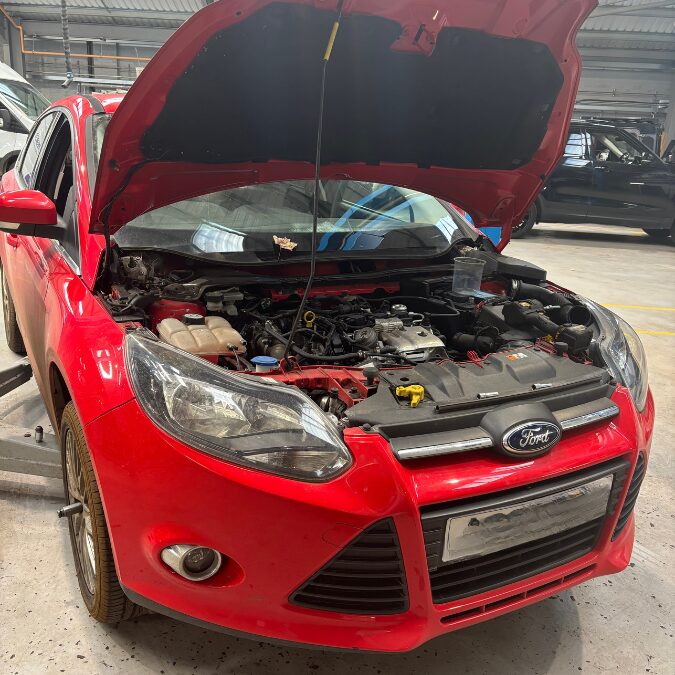
Open Deck vs Closed Deck Engines - What is the Difference?
Understanding engine block design helps explain why some engines are more prone to head gasket issues.
Open Deck Design
- Used in many modern engines, including the Ford EcoBoost.
- Lighter and more cost-effective to manufacture.
- Allows better cooling flow around cylinders.
- However, it provides less structural support, increasing the risk of warping and gasket failure—especially under high load or heat.
Closed Deck Design
- More rigid and durable, with solid metal surrounding the cylinder walls.
- Common in performance or heavy-duty engines (like Subaru EJ-series or some diesel engines).
- Better resists cylinder movement and head gasket failure under stress.
- Downsides include reduced cooling efficiency and increased manufacturing cost.
Semi-Closed Deck
- A middle ground between open and closed designs.
- Offers added strength while retaining some coolant flow advantages.
- Used in many turbocharged engines for balance of performance and reliability.
Head Gasket FAQS
Head gasket specialists, here are some more frequently asked questions we often hear at our independent garage in Northampton.
Is head gasket failure more common in colder weather?
Yes, head gasket failures—especially in EcoBoost engines—tend to be more prevalent during cold weather. This is due to the greater contraction and expansion of engine components during extreme temperature changes, which puts additional stress on the gasket seal. If your car misfires or blows white smoke on cold starts, book a check-up with us.
Is it worth fixing a blown head gasket?
If the rest of your engine is in good condition, repairing the head gasket is usually worth it, especially for vehicles less than 10 years old. At CVS, we pride ourselves on our transparency. We will always give you an honest assessment—our Northampton team never recommends unnecessary repairs.
Can you drive with a blown head gasket in the UK?
You should not drive with a blown head gasket no! Even short distances can lead to severe engine damage, warped cylinder heads, or the need for a complete engine rebuild.
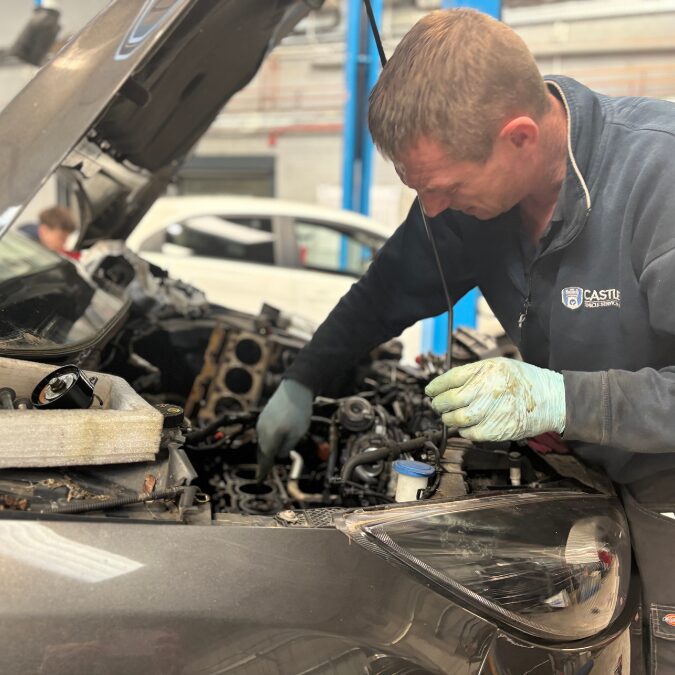
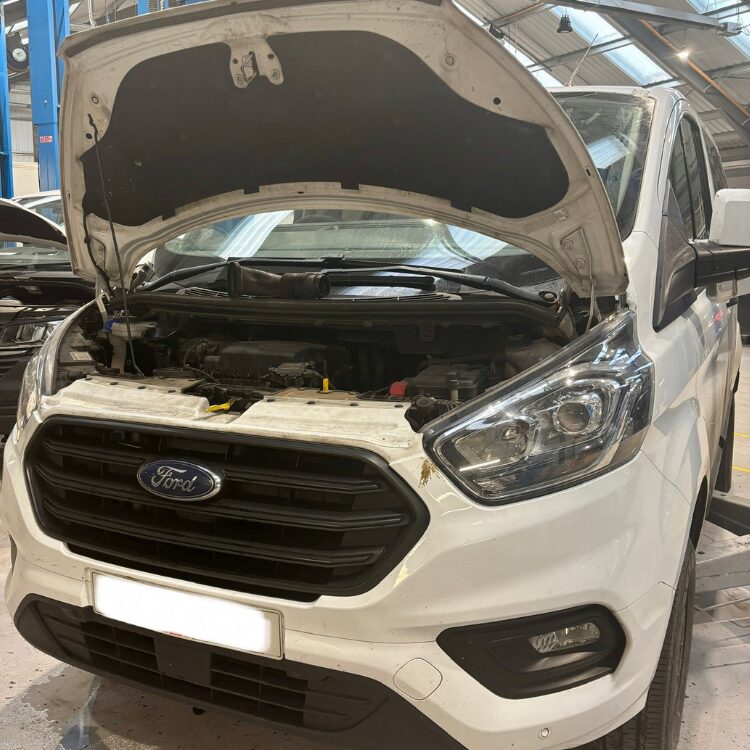
What vehicles are most at risk for head gasket failure in the UK?
In our experience in Northamptonshire, the most common vehicles we see with head gasket issues are:
- Ford EcoBoost models (1.0L, 1.6L, 2.0L)
- Vauxhall Corsa and Astra
- BMW 1 and 3 Series (N47 engines)
- MINI Cooper (especially early turbo models)
How long does it take to repair a head gasket at CVS Northampton?
Our head gasket repair specialists at our local workshop in Northampton aim to get your vehicle back on the road as quickly as possible. Most repairs take a week, due to specialist repairs, and depending on the availability of parts. Our customer service advisors will always keep you informed and updated throughout the repairs, and we may also be able to provide you with a courtesy car – subject to availability and insurance.
Is Your Vehicle Showing Head Gasket Symptoms?
If you’re experiencing any of the symptoms listed above, or drive a Ford EcoBoost and suspect an issue, it is best to have your vehicle inspected by our trusted local mechanics as soon as possible. A head gasket failure caught early can often be repaired before more serious engine damage occurs.
📍 Northampton – Discover Reliable Head Gasket Repairs Near You
Contact our team today!
FORD ECOBOOST OWNERS TAKE A LOOK AT OUR OCTOBER OFFER!
FORD ECOBOOST WET BELT REPLACEMENT FOR £1099*
Inclusive of parts, labour & VAT + complimentary visual inspection of your vehicle
(*Please note this offer is available until the 31.10.25. This price is calculated with the use of aftermarket parts. For OEM, please ask a customer service advisor)